Specialized Tree Inspection Full Service
Explore Key Arboriculture Techniques for Best Tree Maintenance
Understanding tree care is vital for ensuring ecological wellness. Crucial methods including mulching and trimming play significant roles in promoting tree vitality. In addition, correct irrigation methods are crucial for developing strong roots. Nonetheless, most people miss the symptoms of sick trees and the importance of hiring professionals. Looking into these areas can lead to a deeper appreciation for how to maintain trees. What measures can be adopted to guarantee their trees thrive?
Understanding the Importance of Tree Health
Knowing why tree health is crucial is critical, as trees are instrumental in maintaining ecological balance and enhancing urban environments. Healthy trees contribute to the quality of the air, provide shade, and support wildlife habitats. They also help mitigate environmental shifts by sequestering carbon dioxide, which makes them vital for a sustainable environment.
In city environments, healthy urban trees enhance the appearance, raise the value of homes, and foster neighborhood health. Their presence can reduce the urban heat effect in cities, leading to lower energy costs.
Neglecting tree health, conversely, can lead to illness, pest infestations, and structural instability, posing risks to both the trees and surrounding infrastructure. Consequently, identifying signs of a healthy tree, like the color of the leaves, how the tree is growing, and bark condition, is essential for proper care. Ultimately, fostering healthy trees benefits not just personal gardens but the wider ecological system, stressing the importance for forward-thinking attention and management practices.
Vital Trimming Practices

Pruning is an important practice in tree care that ensures optimal development and well-being, as it removes dead or diseased branches and enhances air flow within the canopy. Employing proper techniques guarantees that trees can grow well in their setting.
An essential practice is "thinning," which requires careful branch removal to enhance light penetration and lessen the load on fragile branches. 'Heading cuts' is a different technique, where the ends of branches are snipped to stimulate lateral branching, particularly for young trees. In addition, the 'crown reduction' technique lowers the overall height of a tree but keeps its characteristic silhouette.
When to prune is key; cutting during the inactive period minimizes stress and promotes better wound closure. Tools should be sharp and clean to prevent injury and the spread of pathogens. Grasping these critical pruning practices is crucial for any tree care professional aiming to maintain healthy and visually appealing trees.
Identifying Common Tree Diseases
How do tree owners identify the symptoms of frequent ailments that threaten their trees? Awareness of specific symptoms is vital for quick spotting and intervention. These often include leaves that are yellowing or drooping, suggesting potential fungal issues or insufficient nourishment. Strange developments, for example, galls and cankers, often point to pests or pathogens that compromise tree health. Additionally, sap running out or bark flaking off might suggest an infection that need prompt care.
Arborists should look for modifications to the tree's appearance, such as branches dying or leaves falling, which could signify a more severe underlying issue. Looking out for insect attacks, such as holes in the bark or frass, is equally important. Through vigilance and promptness, owners are able to spot these frequent ailments and find suitable treatments, ensuring their trees remain healthy and vibrant throughout the seasons.
How Mulching Helps Trees
Applying mulch is a vital method in tree care, giving various benefits that foster robust growth and durability. It involves applying a layer of specific material types at the tree's base, helping to keep the soil damp, keeping weeds refer to this page down, and stabilizing soil warmth. The mulch covering does more than minimize competition from competing weeds but also boosts the visual appeal of the landscape.
Furthermore, materials like wood chips, such as wood chips or bark, break down eventually, providing essential nourishment and bettering its texture. This ongoing process aids in root growth and creates a more robust setting for the plant. Furthermore, applying mulch helps stop the erosion of soil, thereby stabilizing of the tree’s foundation. Appropriately spread mulch should be spread in a ring shape, making sure it doesn't touch with the trunk to avoid rotting. In conclusion, making mulching a part into tree care routines significantly aids to the long-term health of trees.
Optimal Watering Methods for Trees
Quality tree upkeep needs not only mulching but also proper watering practices to promote the best growth and health. Tree specimens, specifically new plantings, require steady hydration to form solid root networks. Deep hydration is crucial, as it encourages roots to grow downwards where moisture is steadier. Preferably, trees should receive about an inch of water per week, whether through rainfall or supplemental irrigation.
It is best to water early in the morning to minimize water loss and fungal diseases. One must be careful not to overwatering, which can lead to root rot and related complications. The soil should be checked for moisture before watering; should the top two inches be arid, it is time to provide water. Moreover, using a soaker hose or drip irrigation delivers a gradual, continuous stream of water, making sure trees get enough water without the potential for wasted water. Effective hydration techniques are essential contributors to the general well-being of trees.
Hiring Professional Tree Services: When and Why
When assessing the condition and aesthetics of a property, hiring professional tree services is often vital for homeowners facing complex tree care needs. Trained arborists hold the expertise to assess tree health, identify diseases, and apply successful remedies. Arborists are also aware of local regulations concerning tree removal and maintenance, making sure they comply and preventing costly penalties
(Stillwater Tree Service)Property owners ought to hire experts when dealing with large trees, especially those close to buildings or power lines, as mishandling creates safety hazards. In addition, trees requiring pruning for aesthetic or health reasons profit from the expertise of trained specialists who can execute precise cuts to encourage development
Periodic maintenance, such as pre-storm readiness and clearing debris, also warrant professional intervention to ensure site security and appearance. Finally, using expert tree care providers makes certain trees get the best attention, contributing positively to the property's aesthetics and home valuation
Commonly Asked Questions
What Are the Signs if My Tree Is Overwatered?
Signs of overwatering in trees include yellowing leaves, wilting despite moist soil, rotting root systems, and excessive leaf drop. Additionally, the appearance of mushrooms around the base may indicate inadequate water runoff and saturated soil.
What's the Optimal Season for Tree Pruning?
The ideal season for trimming is usually between late winter and the start of spring before new growth begins - Stillwater Tree Service. This timing promotes vigorous development and reduces the tree's strain, allowing for effective healing and further growth
Can Trees Recover From Severe Storm Damage?
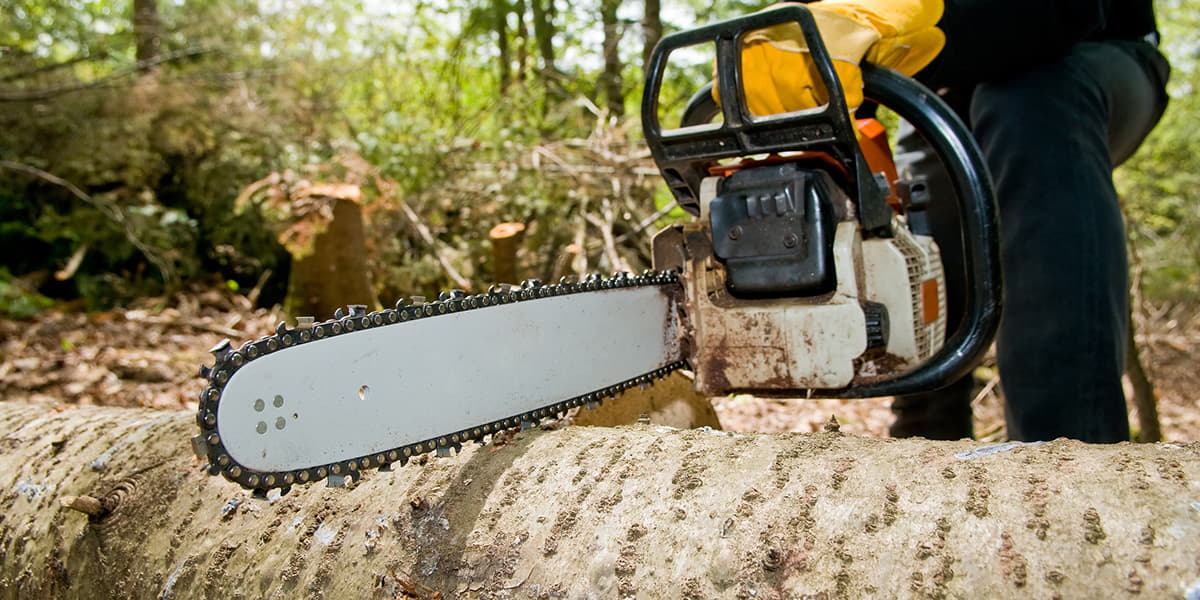
Absolutely, trees are capable of recovering from major storm damage. Given the right attention, including the removal of injured parts and providing adequate water and nutrients, most trees will recover their vitality and keep growing strong following a stressful event.
What Should I Look For When Choosing the Right Mulch for My Trees?
To choose the right mulch for trees, look for natural materials such as shredded bark or wood chips, ensure a layer 2 to 4 inches deep, and never stack mulch against the base to prevent disease.
Do Certain Tree Species Need More Attention Than Others?
Some species, such as fruit trees and newly planted specimens, demand more care because they react strongly to environmental shifts and specialized fertilization demands. Frequent checking and specific upkeep methods are essential for their health and development.